Lactase for Galacto-Oligosaccharide Production
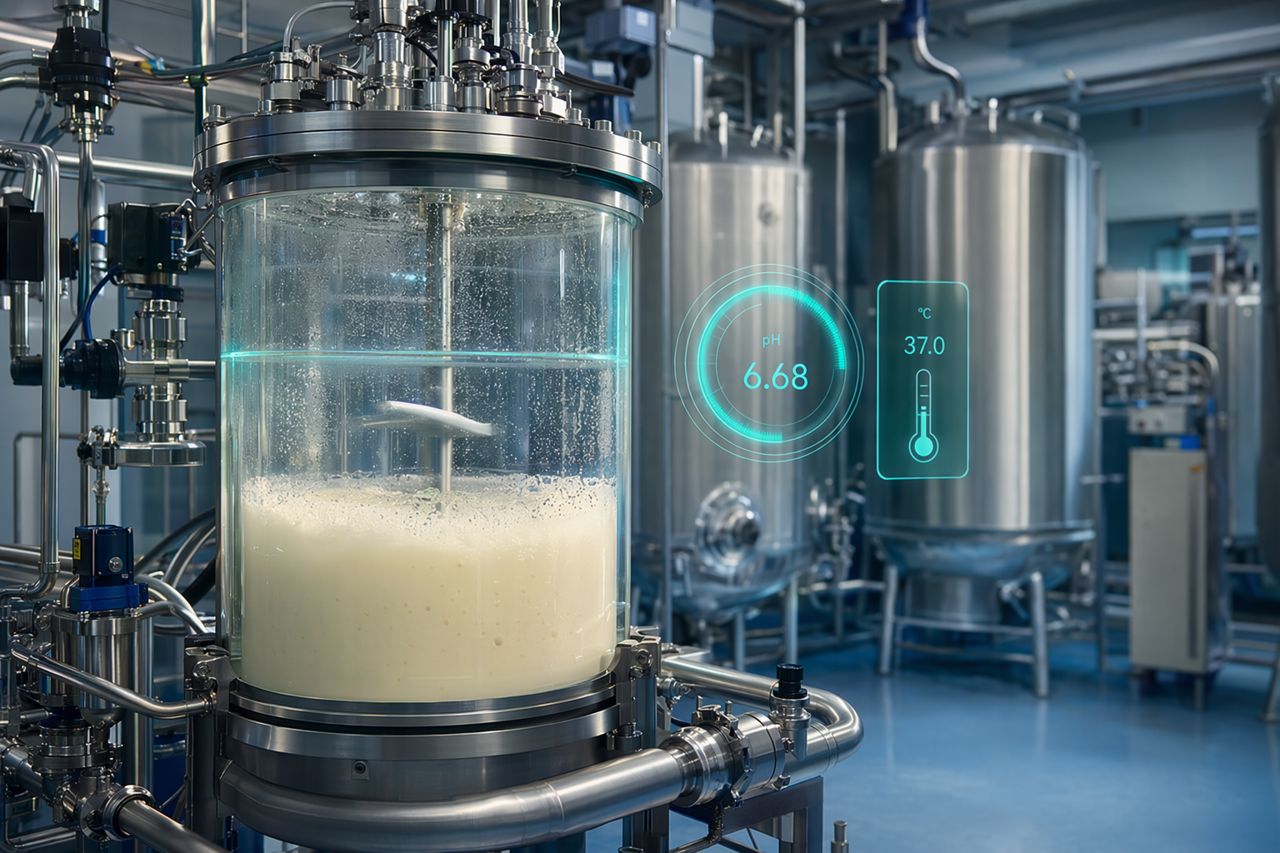
Galacto-oligosaccharides are produced when Lactase (β-Galactosidase) is operated beyond simple lactose hydrolysis. Under the right process conditions, the enzyme transfers galactosyl groups onto acceptor sugars, building prebiotic carbohydrates while also generating glucose, galactose, and residual lactose fractions that must be managed downstream.
For ingredient manufacturers, the commercial question is not whether lactase can split lactose. It is whether the selected β-galactosidase can support a controlled galacto-oligosaccharide profile, integrate cleanly into dairy or lactose-based feedstocks, and scale without creating avoidable variability in sweetness, color, purification load, or finished ingredient specification.

We supply lactase in bulk to ingredient makers and distributors working on GOS syrups, powders and nutrition blends. Not every lactase grade suits GOS production, so send your feedstock and target before you order.
Wholesale and bulk supply for GOS ingredient makers and resellers. Request a quote with the feedstock, the quantity and the delivery country. Prices and lead times are quoted per order.
What lactase does in GOS production
Lactase catalyzes two competing reactions:
- Hydrolysis: lactose is split into glucose and galactose.
- Transgalactosylation: galactosyl groups are transferred to lactose or other acceptor sugars, forming galacto-oligosaccharides.
In low-solids dairy processing, hydrolysis usually dominates. In concentrated lactose systems, transgalactosylation becomes commercially useful. The process objective is to push the reaction toward the desired galacto-oligosaccharide fraction while controlling the by-product sugars that affect sweetness, viscosity, crystallization behavior, and purification economics.
Why enzyme selection matters
Not all lactases perform the same in galacto-oligosaccharide production. Source organism, molecular behavior, thermal profile, pH preference, tolerance to dissolved solids, and impurity profile all influence the final ingredient.
Key selection factors include:
- Galacto-oligosaccharide yield potential: ability to support transfer reactions before hydrolysis consumes the substrate.
- Product distribution: tendency to form shorter or longer oligosaccharide chains, depending on process target.
- Feedstock compatibility: performance in lactose slurry, whey permeate, milk-derived streams, or refined lactose solutions.
- Process window: suitability for the plant’s temperature, pH, hold time, agitation, and solids strategy.
- Downstream impact: effect on filtration, decolorization, concentration, drying, residual sugar balance, and finished sensory profile.
- Documentation fit: availability of specification, allergen, origin, regulatory, and quality support aligned with buyer requirements.
Commercial process targets
A GOS process typically balances four outcomes: conversion, selectivity, downstream simplicity, and customer specification.
1. Build the desired prebiotic fraction
The enzyme must support formation of galacto-oligosaccharides within the intended distribution range. Ingredient developers may prioritize total prebiotic carbohydrate content, specific chain-length profile, mild sweetness, improved solubility, or compatibility with nutrition formulations.
2. Control residual mono- and disaccharides
Glucose, galactose, and lactose influence sweetness, browning potential, fermentability, digestive positioning, and label claims. Early process design should define acceptable residual sugar ranges before enzyme screening begins.

3. Protect color and taste
High-solids lactose systems can become sensitive to heat history and extended processing. A suitable lactase helps reduce unnecessary residence time and can support cleaner flavor and color when paired with proper thermal control.
4. Reduce purification burden
The enzyme decision affects what downstream operations must remove or adjust. A more selective process can reduce load on membrane separation, chromatography, concentration, or drying steps, depending on the plant’s production model.
Feedstocks used for galacto-oligosaccharide manufacture
Industrial galacto-oligosaccharide production can start from several lactose-containing inputs:
- Refined lactose: high control, predictable composition, useful for premium ingredient targets.
- Whey permeate: cost-efficient and widely available, but mineral and impurity variation must be managed.
- Lactose-rich dairy streams: useful where GOS production is integrated with broader dairy operations.
- Concentrated lactose syrups: suitable where solids handling and viscosity control are already built into the line.
The right feedstock depends on desired ingredient positioning, cost model, purification infrastructure, and regulatory market.
Process variables that shape GOS output
Galacto-oligosaccharide formation is highly dependent on operating discipline. Important variables include:
- Lactose concentration and water availability
- Temperature profile and heat exposure
- pH control and buffering capacity
- Reaction time and conversion endpoint
- Mixing efficiency in high-solids systems
- Enzyme addition strategy
- Feedstock mineral load and impurities
- Inactivation approach after the desired profile is reached
- Downstream concentration, polishing, and drying conditions
Small changes in any of these variables can shift the balance between hydrolysis and transgalactosylation. Pilot validation should always evaluate the full system, not only the enzyme in isolation.
Liquid, powder, and immobilized lactase formats
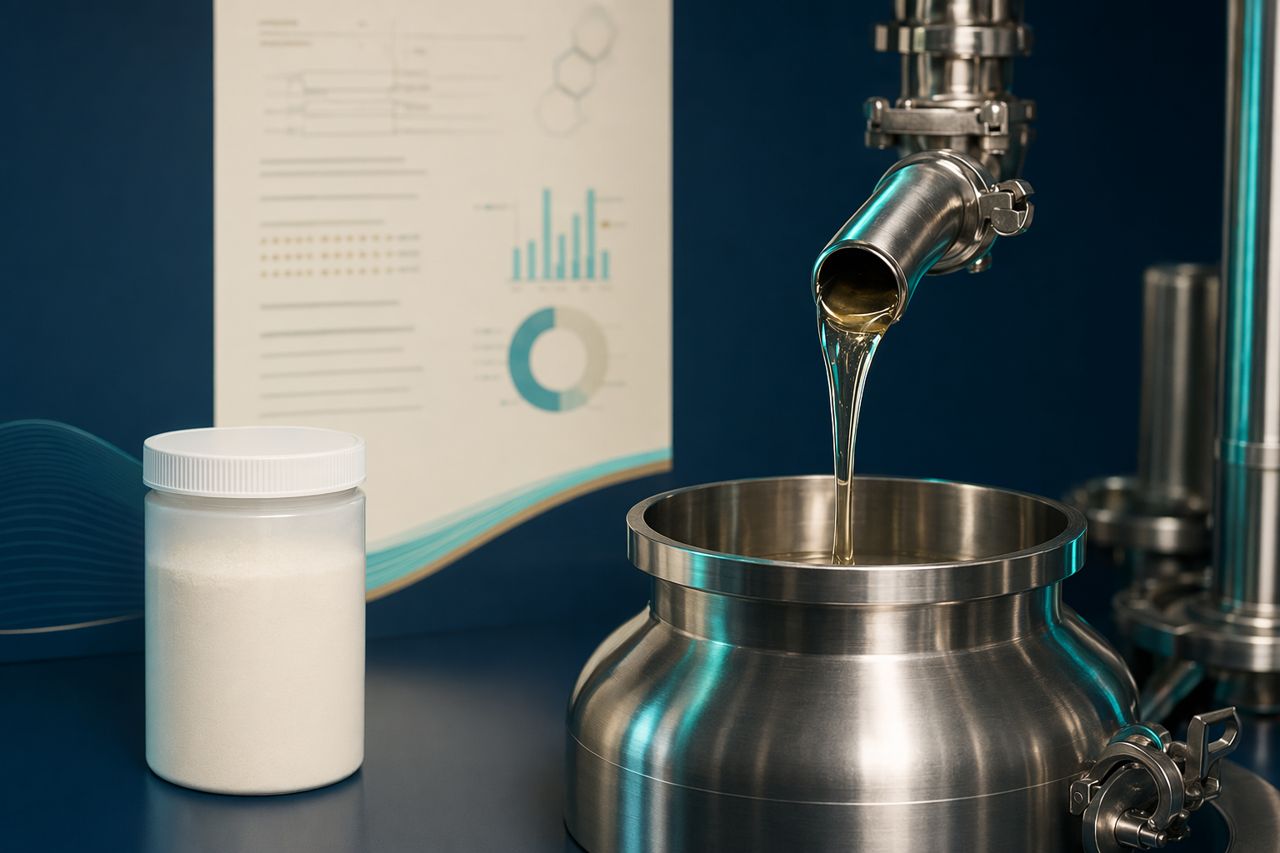
Lactase Enzyme Solutions can support buyer discussions around different enzyme formats depending on plant design.
Liquid lactase
Liquid formats are often preferred for straightforward dosing, rapid dispersion, and flexible batch or continuous operation. They are commonly evaluated during process development and scale-up.
Powder lactase
Powder formats may be preferred where storage stability, import handling, or dry ingredient logistics are priorities. Dissolution and dispersion behavior should be assessed against the plant’s mixing system.
Immobilized lactase systems
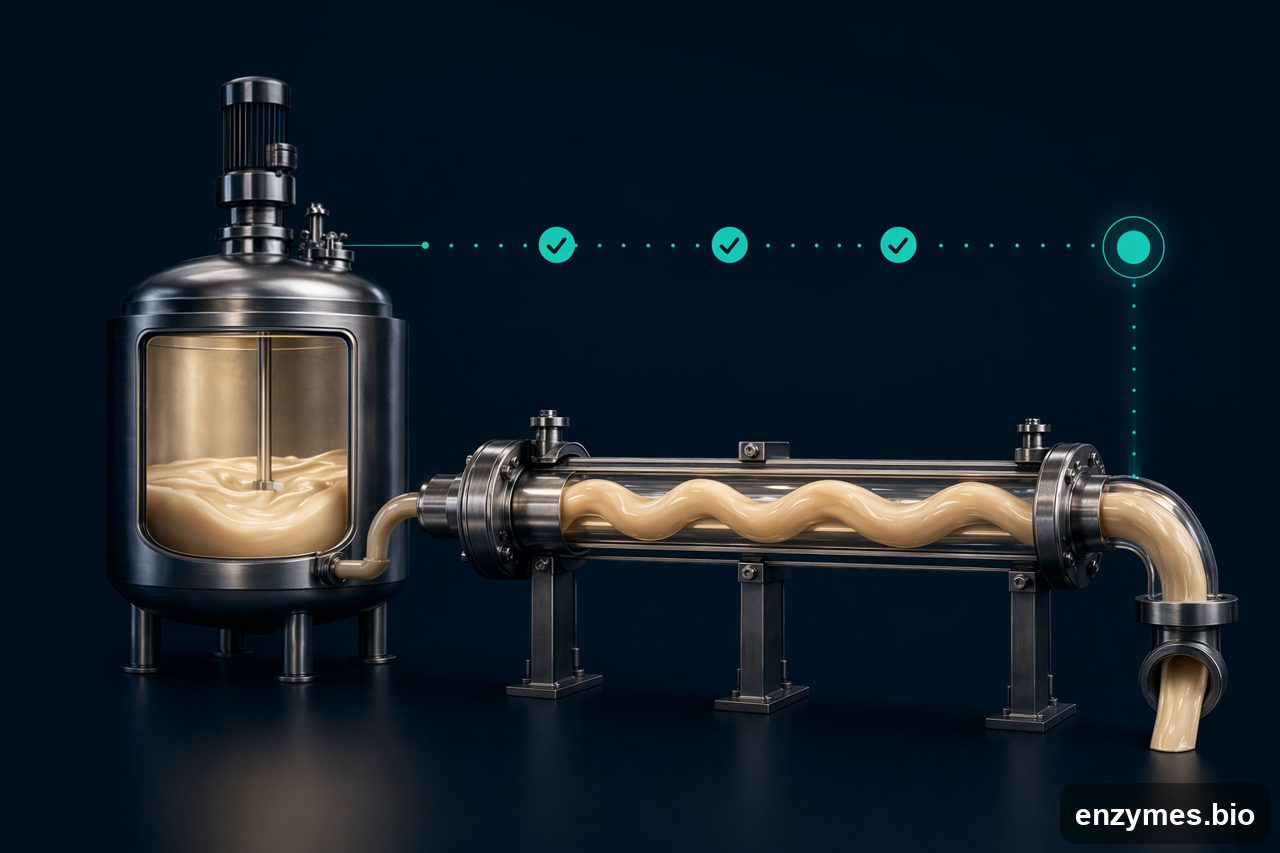
Immobilized approaches can support repeated use or continuous production models, but they require deeper evaluation of carrier compatibility, pressure drop, sanitation, enzyme lifetime, and cleaning strategy.
Application areas for GOS ingredients
Galacto-oligosaccharides produced with lactase are used across multiple B2B ingredient categories:
- Infant and early-life nutrition ingredients
- Adult digestive wellness powders
- Functional dairy and fermented dairy systems
- Synbiotic formulations with probiotics
- Nutritional beverages
- Medical nutrition and senior nutrition concepts
- Low-sweetness fiber syrups
- Bakery, confectionery, and cereal nutrition blends
For formulation teams, the value is practical: mild sweetness, good solubility, prebiotic positioning, dairy compatibility, and cleaner ingredient storytelling than many heavily modified alternatives.
Quality and specification support buyers should request
For procurement and regulatory teams, the enzyme file is as important as the performance trial. Before approval, request documentation aligned with your market and application.
Typical review points include:
- Enzyme proper name and functional classification
- Production organism and manufacturing origin
- Food-grade status and intended-use support
- Allergen statement
- GMO-status statement where applicable
- Halal and kosher availability where required
- Heavy metals and microbiological specification
- Residual production aids or processing aids disclosure where applicable
- Storage, handling, and shelf-life guidance
- Batch-to-batch consistency framework
- Compliance support for target sales regions
Lactase Enzyme Solutions provides specification-led support for industrial buyers, including technical discussion around feedstock, process conditions, and finished ingredient goals.
Scale-up considerations
A lab reaction that generates an attractive GOS profile may not translate directly to production. Scale-up should test the realities of high-solids handling, heat transfer, viscosity, mixing dead zones, sanitation cycles, and endpoint control.
Practical scale-up questions include:
- Can the enzyme disperse uniformly before localized hydrolysis occurs?
- Does viscosity limit mixing or heat transfer?
- Is the reaction endpoint measurable and repeatable at production scale?
- Does enzyme inactivation protect the target profile?
- Can downstream equipment handle the residual sugar and mineral load?
- Is the finished syrup or powder stable under commercial storage conditions?
- Does the process meet sensory, microbiological, and regulatory expectations?
The strongest enzyme choice is the one that performs consistently inside the buyer’s real operating envelope.
Positioning GOS against simple lactose hydrolysis
Lactose-free dairy production and GOS production use the same enzyme class but pursue different economics.
In lactose-free milk, the target is usually complete lactose reduction, with sweetness increase accepted or managed. In galacto-oligosaccharide production, the target is selective transfer chemistry. The process must stop or redirect the reaction before hydrolysis erodes prebiotic yield.
That distinction affects enzyme screening, process monitoring, and commercial claims. Buyers should define the finished ingredient first, then select the lactase system that can deliver it.
Buyer checklist for lactase used in GOS production
Use this checklist before requesting samples or pricing:
- Target ingredient format: syrup, powder, intermediate, or custom blend
- Feedstock: refined lactose, whey permeate, dairy stream, or lactose syrup
- Desired galacto-oligosaccharide profile and residual sugar limits
- Batch or continuous production model
- Preferred enzyme format: liquid, powder, or immobilized system
- Required documentation for target markets
- Downstream purification method
- Thermal, pH, and solids constraints
- Packaging, storage, and logistics requirements
- Forecast volume and scale-up timeline
Clear inputs allow faster technical matching, cleaner pricing, and fewer pilot iterations.
Request pricing or technical fit review
We supply lactase for GOS and prebiotic ingredient work; ask whether a grade suits your route before you order.
Our stock grade is acid lactase powder in 1 kg packs, in three activity grades. For neutral liquid grades, ask us.
Send us:
- the feedstock and its solids level
- the target GOS ingredient (syrup, powder, blend)
- the quantity per order or per month
- the delivery country
Prices, quantities and lead times are quoted per order.