Lactase for smoother frozen dairy performance
In ice cream and frozen dairy desserts, lactose is not just a nutrition-panel variable. It is a texture, sweetness, stability, and positioning lever.
We supply food-grade Lactase (β-Galactosidase) in bulk to makers of ice cream mix, gelato, frozen yogurt, soft-serve base, frozen novelties and premium dairy desserts, and to the distributors that serve them.
The commercial goal is simple: reduce lactose crystallization pressure, support smoother mouthfeel through storage, and create a reliable route to lactose-free or reduced-lactose frozen dessert claims.
Wholesale and bulk supply for ice cream and dessert makers and resellers. Request a quote with the mix type, the quantity and the delivery country. Prices and lead times are quoted per order.
Why lactose matters in frozen desserts
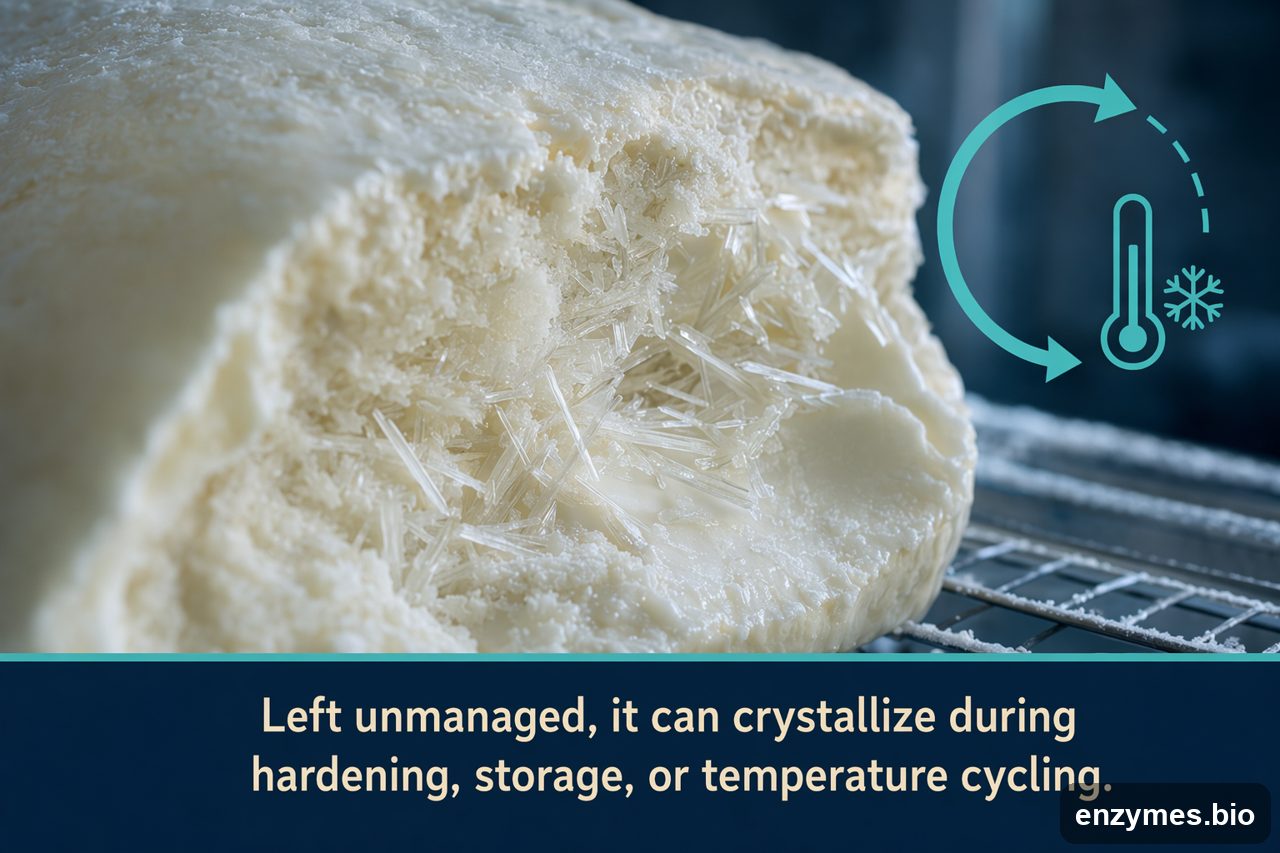
Lactose has limited solubility compared with many other dairy sugars. In concentrated, frozen, or temperature-cycled systems, unmanaged lactose can form crystals that are perceived as grainy or sandy.
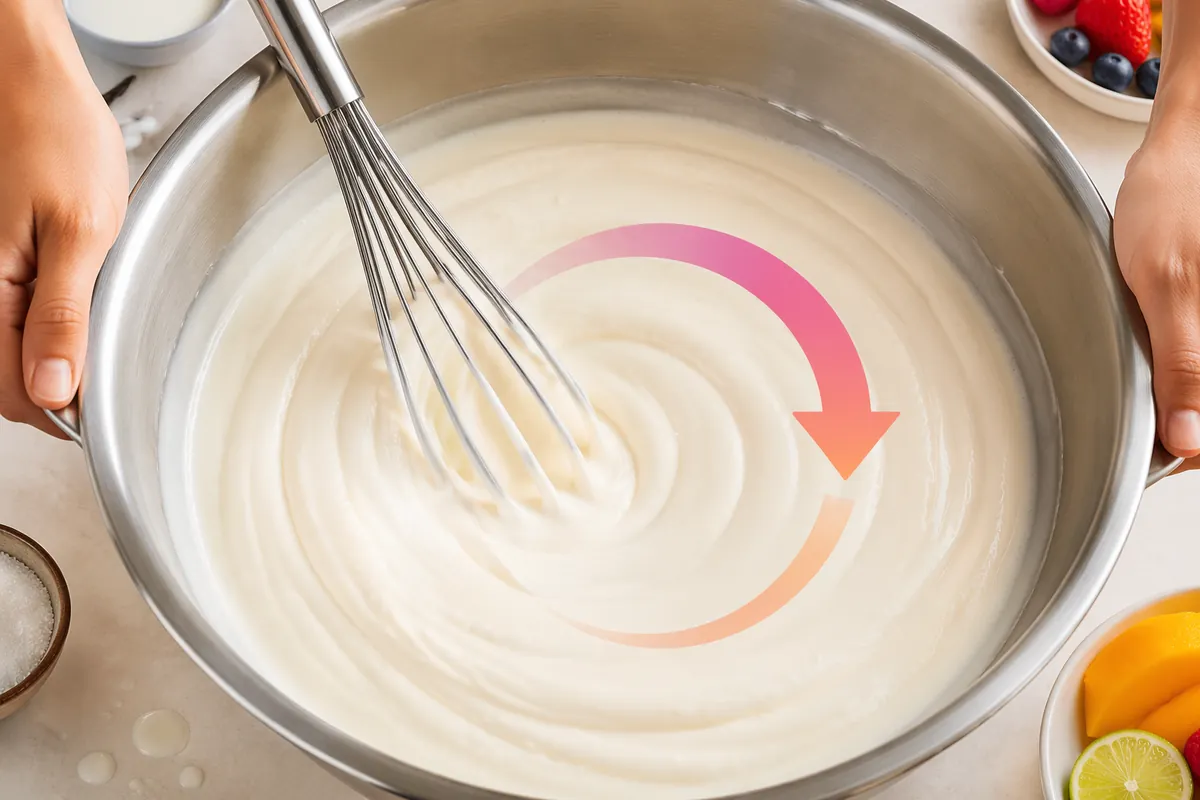
For frozen dessert producers, that risk increases when formulations use:
- Higher milk solids-not-fat levels
- Whey-derived dairy solids
- Concentrated milk streams
- Reduced-sugar positioning
- Long frozen storage periods
- Distribution routes with temperature fluctuation
- Premium dense textures with slower melt profiles
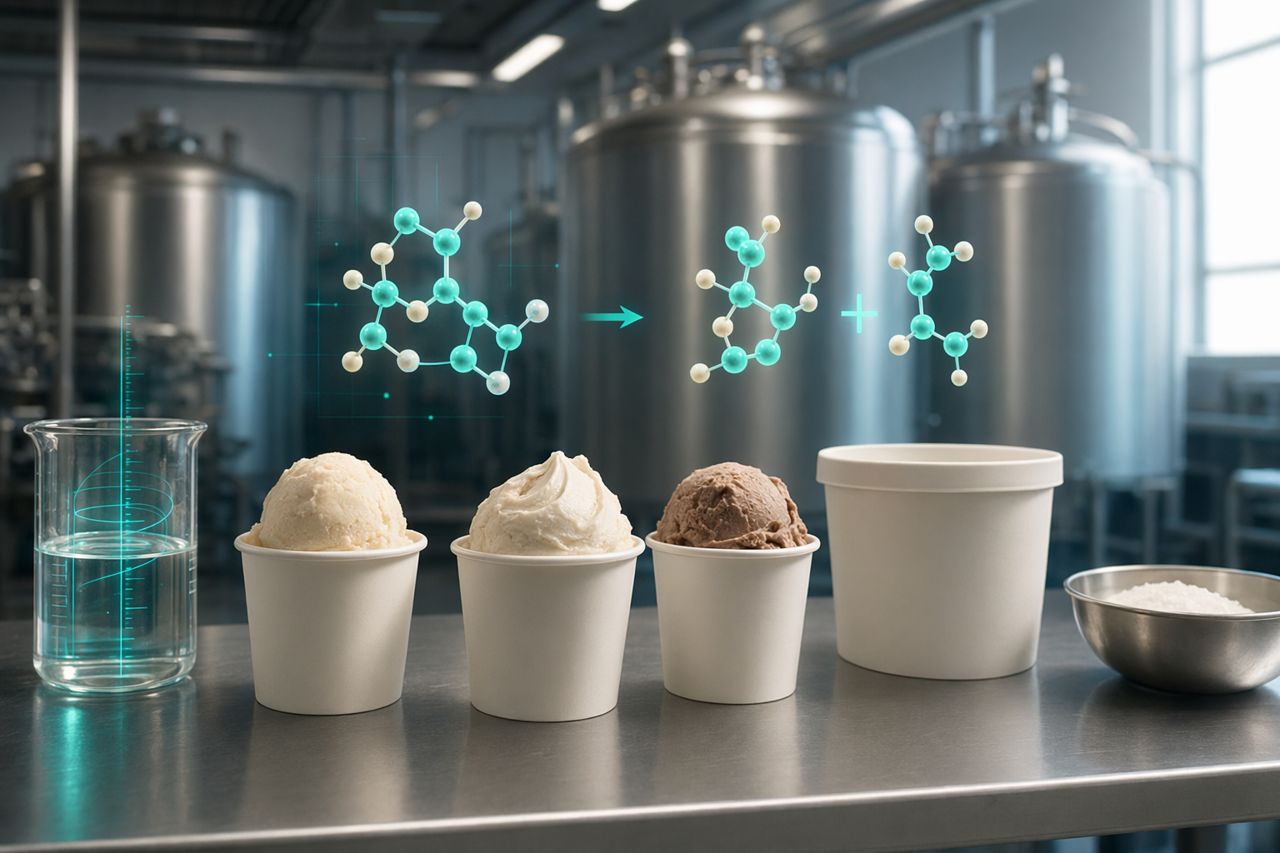
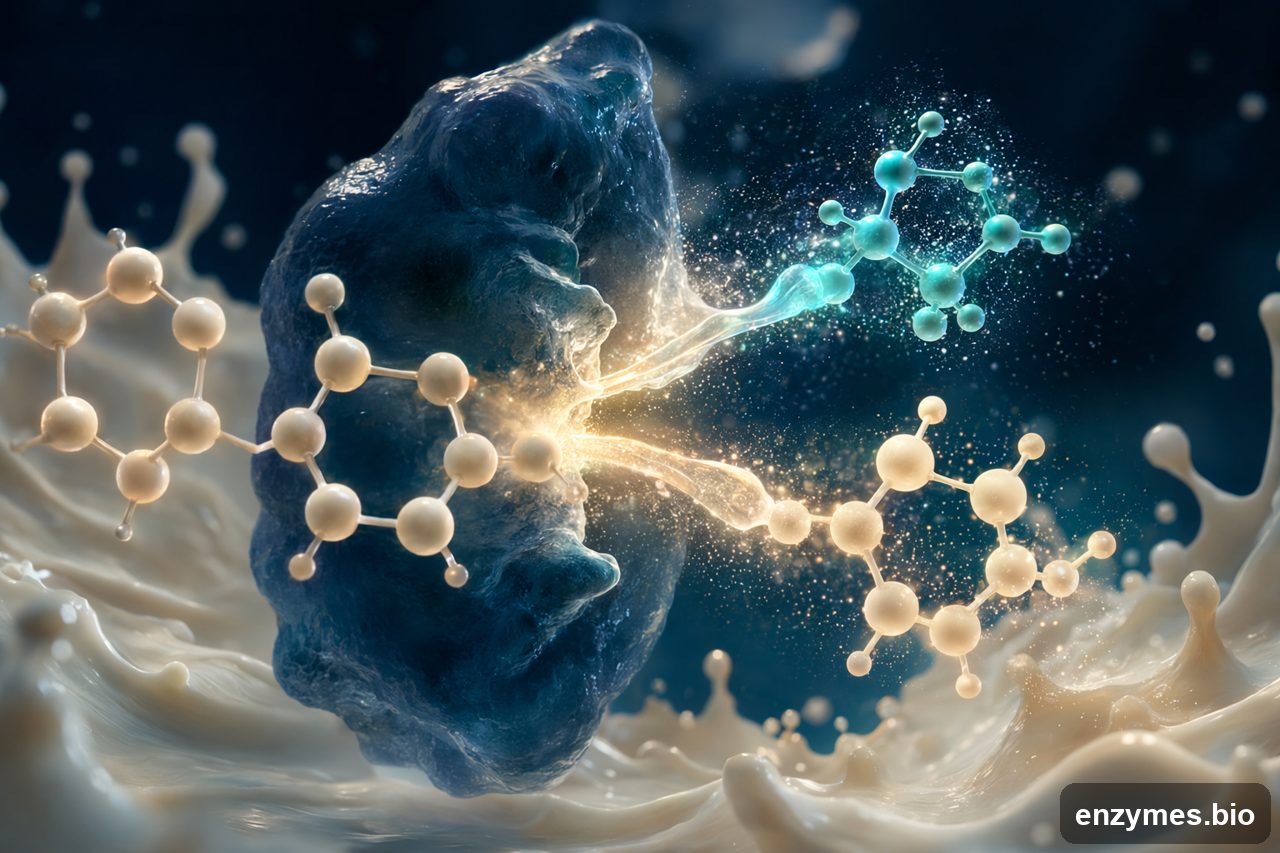
Lactase breaks lactose into glucose and galactose. That shift can reduce lactose crystallization risk while increasing perceived sweetness from the dairy sugar fraction already present in the mix.
What lactase helps you control
1. Reduced lactose crystallization risk
Hydrolyzing lactose lowers the amount of intact lactose available to crystallize during aging, freezing, hardening, and frozen storage. This supports a smoother sensory profile and reduces the likelihood of sandy texture complaints.
2. Sweetness enhancement from dairy solids
Glucose and galactose taste sweeter than lactose. With the right hydrolysis target, formulators can lift sweetness perception without relying only on added sucrose or alternative sweeteners.
This is especially useful in:
- Reduced-sugar ice cream
- Lactose-free premium pints
- High-protein frozen desserts
- Frozen yogurt bases
- Dairy dessert inclusions and variegate-compatible systems
3. Cleaner lactose-free positioning
Lactase allows lactose-free and reduced-lactose positioning while keeping the formulation anchored in recognizable dairy ingredients. Claim language, thresholds, and verification requirements depend on market regulations, but the processing strategy starts with reliable hydrolysis control.
4. Better use of milk solids
When lactose crystallization risk is reduced, teams often gain more flexibility in how they use skim milk powder, condensed milk, whey ingredients, ultrafiltered milk, or other dairy solids. Lactase Enzyme Solutions helps evaluate lactase fit against your actual solids system rather than treating every mix as the same.
5. Process compatibility
Frozen dessert plants vary. Some producers dose lactase into cold mix before aging. Others need a workflow aligned with pasteurization, maturation, blend tanks, or batch release timing. Lactase Enzyme Solutions supports process mapping so the enzyme strategy fits your equipment, not the other way around.
Typical application areas
Lactase is suitable for evaluation in:
- Lactose-free ice cream mix
- Reduced-lactose ice cream
- Gelato and premium frozen dairy desserts
- Frozen yogurt bases
- Soft-serve mixes
- Milkshake bases
- Frozen novelty coatings and dairy layers
- High-protein frozen dairy systems
- Reduced-sugar frozen desserts where sweetness balance is critical
Formulation considerations
Lactase changes more than lactose concentration. It changes the sugar profile of the mix, and that can influence sweetness, freezing behavior, viscosity perception, and finished-product balance.
During development, we recommend reviewing:
- Target lactose reduction level
- Desired sweetness contribution
- Milk solids source and total solids
- Sugar system and sweetener strategy
- Stabilizer and emulsifier system
- Aging time before freezing
- Heat treatment sequence
- Mix pH and temperature exposure
- Overrun target and melt behavior
- Finished-product storage conditions
The best outcomes come from matching hydrolysis to the finished dessert target: not simply pushing conversion as far as possible.
Processing models
Pre-hydrolyzed dairy stream
A milk, cream, condensed milk, or whey-derived stream is treated before final mix blending. This can simplify control when one dairy stream contributes most of the lactose load.
In-mix hydrolysis
Lactase is added to the complete ice cream or frozen dessert mix under defined holding conditions. This can be useful when the full matrix needs to be treated consistently.
Process-integrated hydrolysis
The addition point is aligned with existing tank holds, aging steps, or batch release workflows to avoid unnecessary process complexity.
Lactase Enzyme Solutions can help identify which model is most practical for your plant, product type, and verification requirements.
Quality and specification support
B2B lactase sourcing is not just about enzyme supply. It is about repeatable performance across production lots, documentation, and technical fit.
Lactase Enzyme Solutions supports customers with:
- Food-grade lactase specifications
- Allergen and ingredient documentation where applicable
- Regulatory and labeling support documents
- Batch-to-batch quality documentation
- Processing guidance for pilot and scale-up trials
- Formulation review for lactose-free or reduced-lactose targets
- Storage and handling recommendations
- Commercial supply planning for recurring production
Development path for frozen dessert teams
A practical lactase project usually follows four steps:
- Map the mix — identify lactose contribution from milk, cream, powders, whey ingredients, concentrates, and inclusions.
- Set the target — define whether the goal is texture protection, lactose-free positioning, sweetness lift, sugar reduction, or a combination.
- Run a pilot matrix — compare addition point, holding time, temperature exposure, and sensory impact.
- Lock the process — confirm finished-product texture, sweetness, analytical verification, and storage stability before scale-up.
Commercial outcomes
For frozen dessert manufacturers, lactase can support:
- Smoother texture through shelf life
- Lower risk of lactose sandiness
- Lactose-free or reduced-lactose product lines
- Improved sweetness efficiency
- More flexible use of dairy solids
- Reduced dependence on added sugar in selected formulations
- Cleaner label architecture than many alternative routes
- More predictable batch release when the process is validated
Request a quote or technical review
We supply lactase for ice cream mix, gelato, soft serve and frozen dessert bases.
Our stock grade is acid lactase powder in 1 kg packs, in three activity grades. For neutral liquid grades, ask us.
Send us:
- the mix type and its milk solids level
- where the enzyme goes in (before or after pasteurization, during ageing)
- the quantity per order or per month
- the delivery country
Prices, quantities and lead times are quoted per order.