Lactase for fluid dairy, cream, and dairy bases
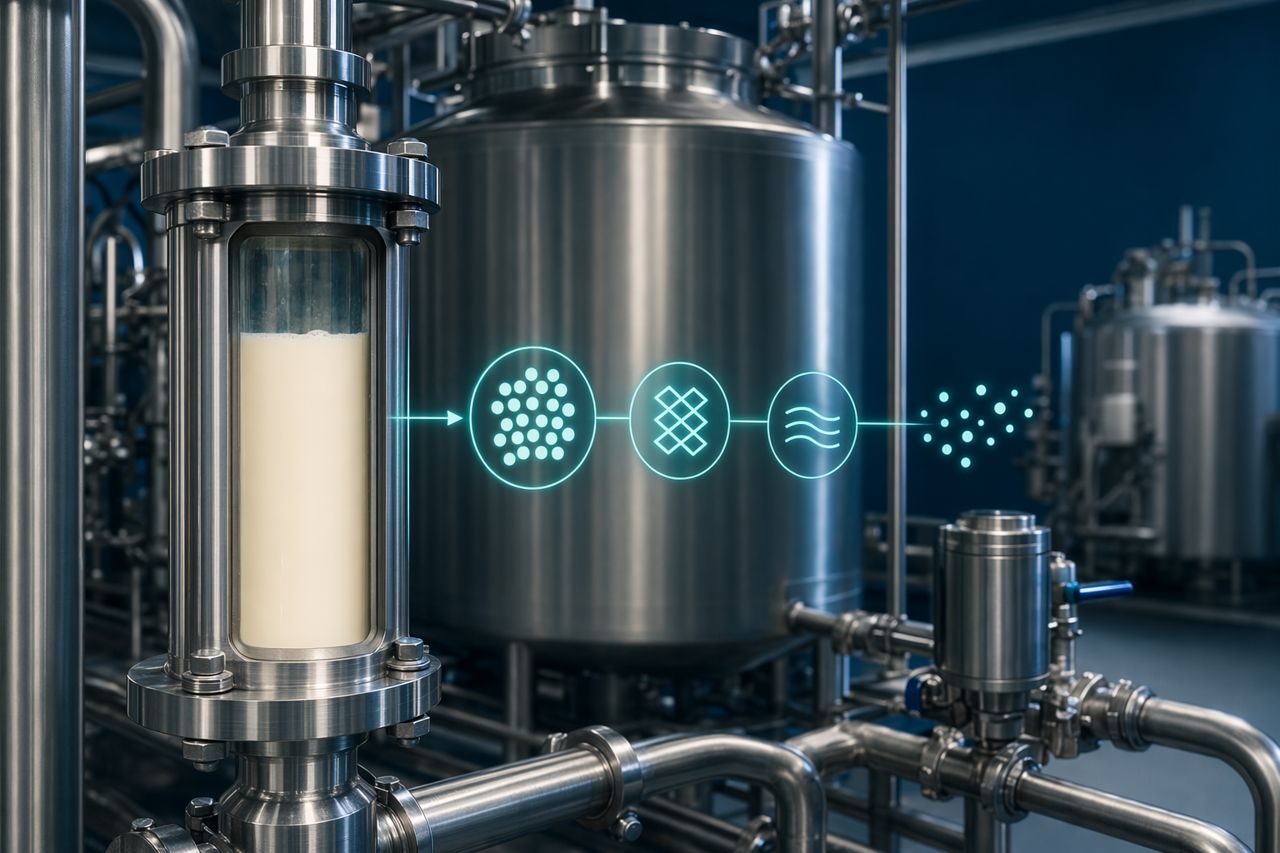
Milk, cream, flavoured milk drinks, coffee creamers and dessert bases all start as a dairy base solution, and the lactose in that base decides sweetness, mouthfeel and what you can put on the label. We supply lactase in bulk to the dairies and ingredient makers that produce these bases, and to the distributors that serve them.
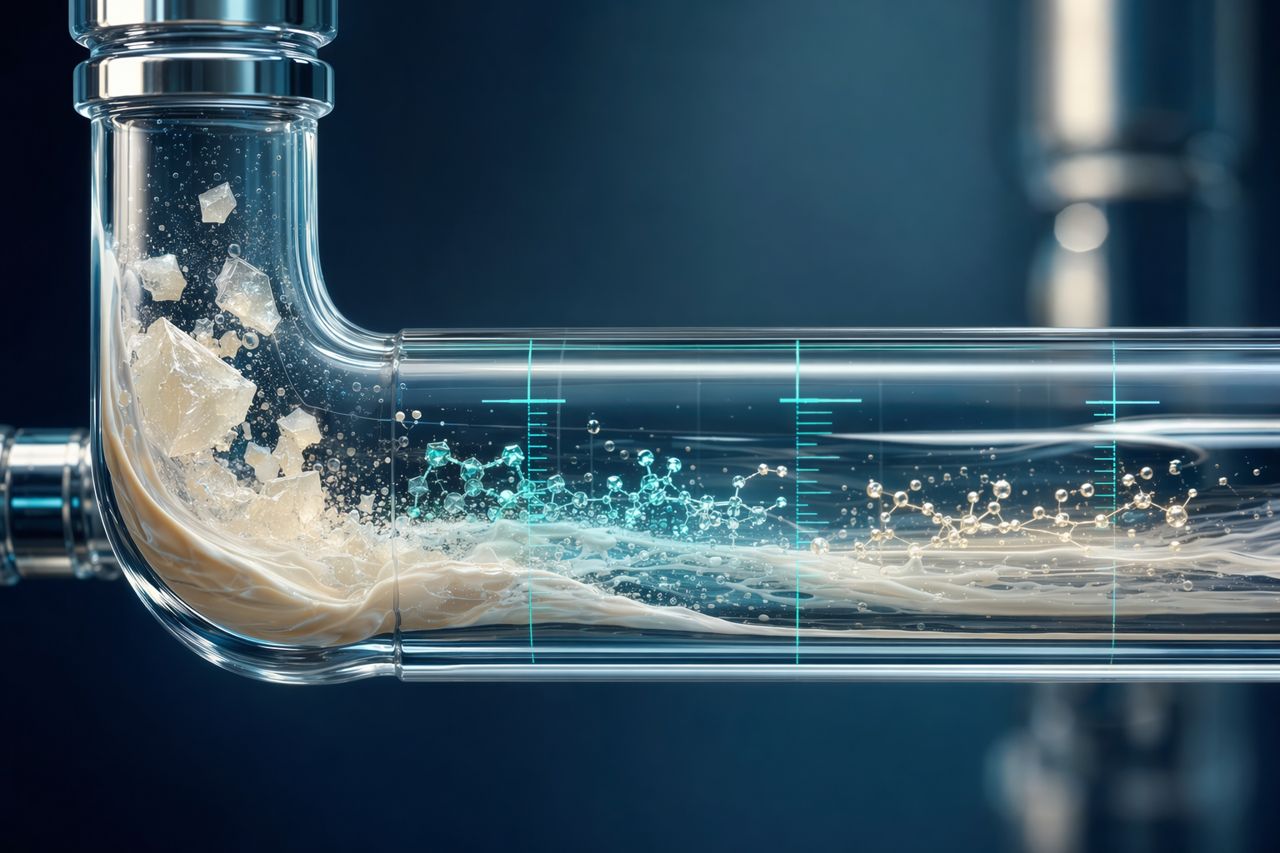
Lactase hydrolyzes lactose into glucose and galactose. In production terms, that can mean lower lactose, improved perceived sweetness, smoother consumer tolerance positioning, and more flexible sugar-reduction strategies in dairy systems.
Wholesale and bulk supply for dairies, base makers and resellers. Request a quote with the product, the quantity and the delivery country. Prices and lead times are quoted per order.
Where it fits
- Fluid white milk and lactose-reduced milk concepts
- Cream and half-and-half style products
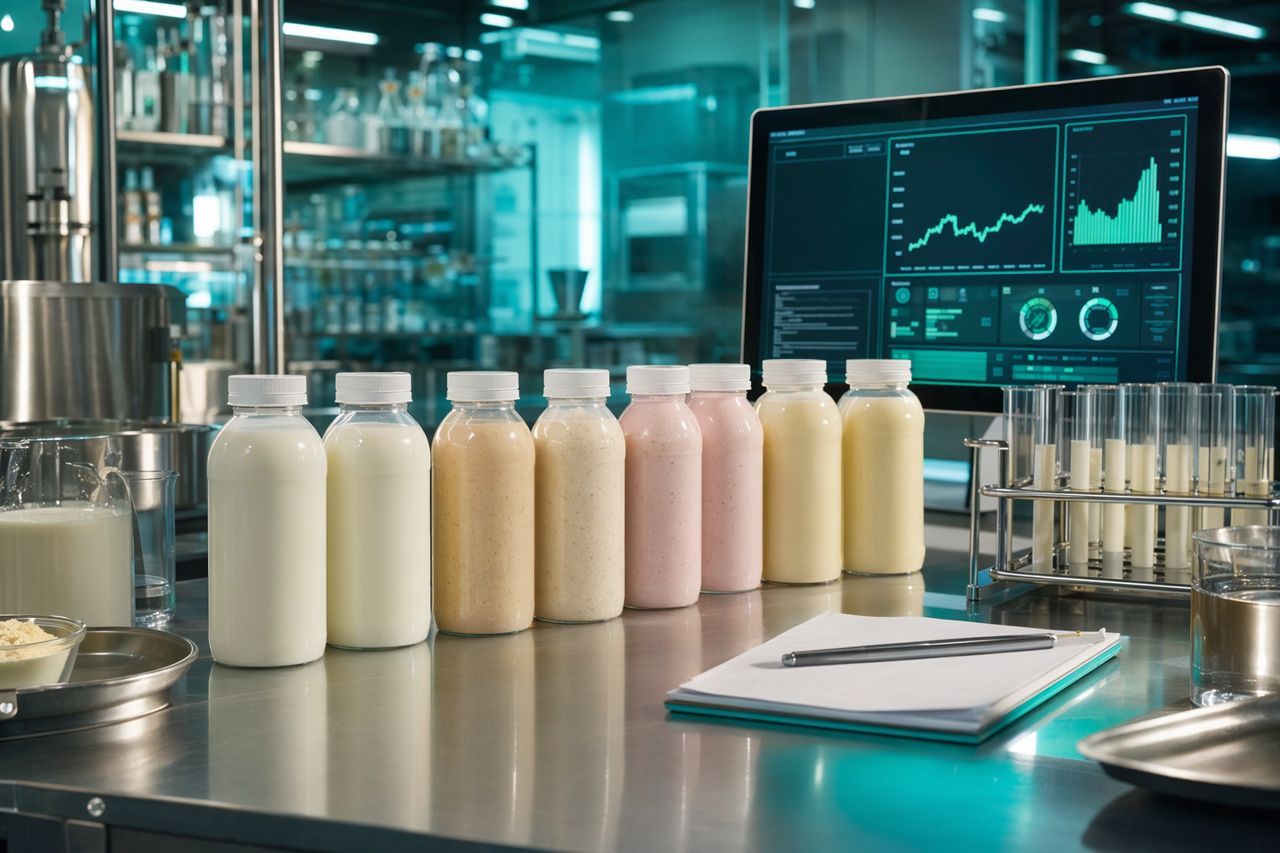
- Flavored dairy beverages and high-protein dairy drinks
- Ice cream, custard, and dessert bases
- Coffee creamers and dairy beverage bases
- UHT, ESL, and refrigerated process concepts
- Ingredient-stage lactose conversion before blending
Commercial outcomes for dairy processors
Lactose reduction with process control
Use lactase to reduce lactose before final heat treatment, during controlled holding, or as part of an upstream dairy base preparation step. Process design depends on target lactose profile, temperature window, holding time, pH, and downstream thermal treatment.
Sweetness lift without adding more sugar
Because glucose and galactose are perceived as sweeter than lactose, lactase can help build sweetness inside the dairy matrix. This is useful in flavored milk, reduced-sugar concepts, and dessert systems where the goal is a cleaner label or better sugar economics.

Stability for fluid dairy concepts
In well-designed processes, lactase can support consistent lactose conversion while preserving the sensory identity of milk and cream. Lactase Enzyme Solutions focuses on practical specification alignment, not generic enzyme claims.
Cleaner label positioning
Lactase enables lactose-reduced or lactose-free style positioning without adding masking systems or unnecessary sweeteners. Final claims depend on local regulations, analytical confirmation, and finished-product validation.

Formulation and processing considerations
Key variables to define early
- Target lactose level and claim strategy
- Product matrix: milk, cream, concentrated dairy base, flavored system, or recombined dairy
- Fat, protein, solids, stabilizer, cocoa, coffee, or flavor interactions
- Enzyme addition point and mixing quality
- Holding temperature and conversion time
- Heat treatment sequence and enzyme inactivation strategy
- Shelf-life format: refrigerated, ESL, UHT, or frozen dessert base
Cream and high-solids dairy systems
Cream, dessert bases, and concentrated dairy systems may require more attention to mixing, viscosity, and contact time. The objective is even lactase distribution through the fat-and-protein matrix so lactose conversion is predictable before final processing.
UHT and ESL-style concepts
For high-heat dairy formats, lactase is commonly evaluated before terminal thermal treatment or in ingredient-stage conversion. Lactase Enzyme Solutions can support process discussions around addition timing, conversion targets, and compatibility with the intended heat profile.
Buying lactase for milk, cream and dairy bases
Three facts decide the grade: the pH of the base at the point of dosing, the temperature and hold time you can give the enzyme, and whether a heat step follows. Fresh milk and cream are close to neutral, so for those ask about neutral liquid grades. Our stock grade is acid lactase powder in 1 kg packs; send your pH and we confirm the fit before you order.
For a first order, say how much base you run per batch and per month. Prices, pack quantities and lead times are quoted per order.
Why dairy teams use lactase
- Practical fit for milk, cream, and dairy base applications
- Supports sweetness control and lactose-reduction goals
- Useful for clean-label and sugar-reduction formulation work
- Compatible with industrial process evaluation workflows
- Bulk supply quoted per order for manufacturers and resellers
- Technical conversation focused on your matrix, process, and target claim
Development pathway
- Define the finished-product goal: lactose-reduced, lactose-free style, sweetness lift, sugar reduction, or base conversion.
- Confirm the dairy matrix: fat level, solids, pH, stabilizers, flavors, and heat process.
- Run bench or pilot trials using your real process conditions.
- Validate lactose conversion analytically in the finished system.
- Lock the grade, the pack size and the supply plan.
Request pricing or a technical quote
We supply lactase for milk, cream, flavoured milk, creamers and dessert bases.
Our stock grade is acid lactase powder in 1 kg packs, in three activity grades. For neutral liquid grades, ask us.
Send us:
- the dairy format and fat level
- pH and temperature at the point of dosing, and whether a heat step follows
- the quantity per order or per month
- the delivery country
Prices, quantities and lead times are quoted per order.