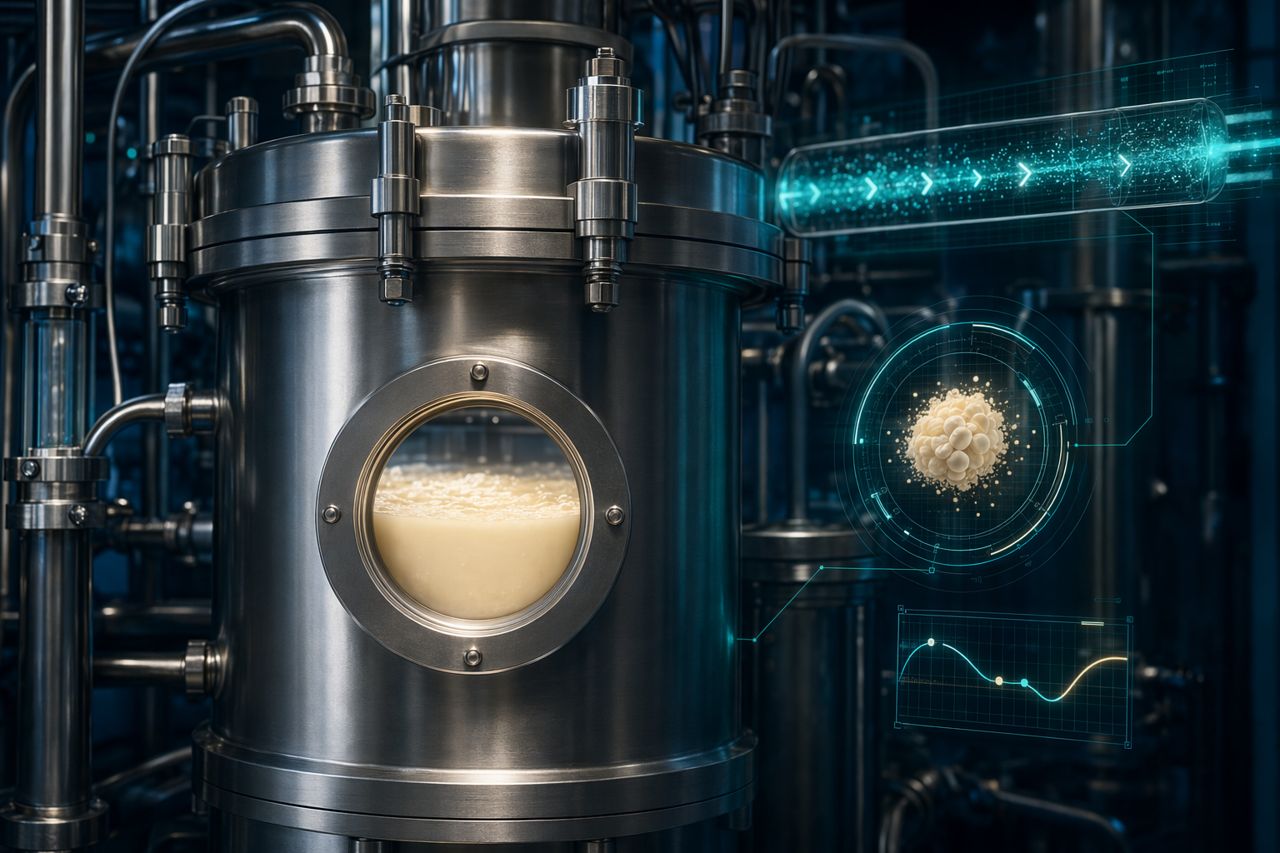
Lactase for galacto-oligosaccharide ingredient workflows
Galacto-oligosaccharide production is not standard lactose hydrolysis with a different label. It is a controlled β-galactosidase workflow where transgalactosylation is encouraged, side hydrolysis is managed, and the final ingredient profile is defined by process discipline.
We supply lactase in bulk to ingredient makers developing GOS syrups, powders and prebiotic blends, and to the distributors that serve them. GOS work needs a β-galactosidase that favours transgalactosylation, not only hydrolysis, so not every lactase grade suits it: tell us your feedstock and target before you order.
Wholesale and bulk supply for GOS ingredient makers and resellers. Request a quote with the feedstock, the quantity and the delivery country. Prices and lead times are quoted per order.
Where lactase fits in GOS development
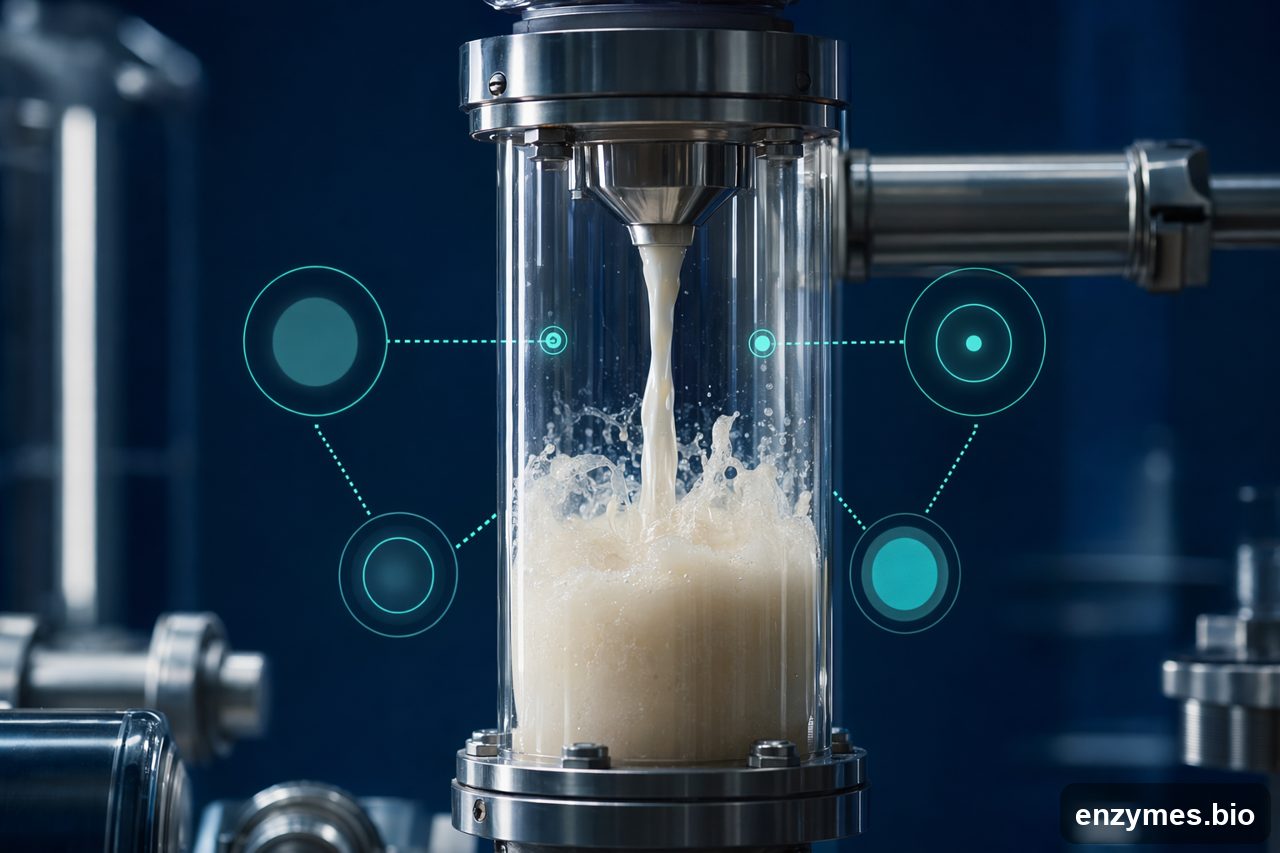
β-Galactosidase can split lactose into glucose and galactose. Under selected high-substrate process conditions, the same enzyme class can also transfer galactosyl groups to acceptor sugars, supporting GOS formation.
For ingredient teams, the commercial challenge is balancing:
- GOS formation versus simple lactose hydrolysis
- Residual lactose targets
- Glucose and galactose buildup
- Syrup viscosity and solids handling
- Reaction timing before downstream stabilization
- Batch-to-batch profile consistency
- Compatibility with filtration, concentration, drying, or blending
The right lactase choice does not replace process development. It gives that development a more controlled starting point.
Built for ingredient manufacturers, not generic dairy conversion
GOS ingredient workflows place different pressure on enzyme performance than lactose-free milk production. The feed is often concentrated, the viscosity is higher, water availability is lower, and the buyer may care less about complete lactose removal than about the oligosaccharide distribution and final labeling position.

Lactase Enzyme Solutions supports procurement and technical teams working with:
- Lactose solutions and lactose-rich process streams
- Whey permeate and dairy-derived carbohydrate bases
- GOS-enriched syrup development
- Spray-dried or agglomerated prebiotic ingredient systems
- Infant nutrition, adult nutrition, and functional food ingredient platforms
- Contract manufacturing or pilot-to-commercial transfer
Operational outcomes to specify early
1. Target carbohydrate profile
Define the desired balance between GOS fraction, residual lactose, monosaccharides, and other digestible sugars. This determines whether the process should prioritize transgalactosylation, partial hydrolysis, or a staged approach.
2. Feedstock behavior
High-solids lactose systems can improve GOS opportunity but increase viscosity, mixing load, heat-transfer demands, and pumpability concerns. Enzyme selection should be evaluated against the actual feed matrix, not a simplified lab sugar solution.
3. Sweetness and flavor direction
Glucose and galactose formation can increase perceived sweetness and alter flavor balance. For manufacturers selling into nutrition or functional food systems, sweetness control can be as important as conversion yield.
4. Downstream stability
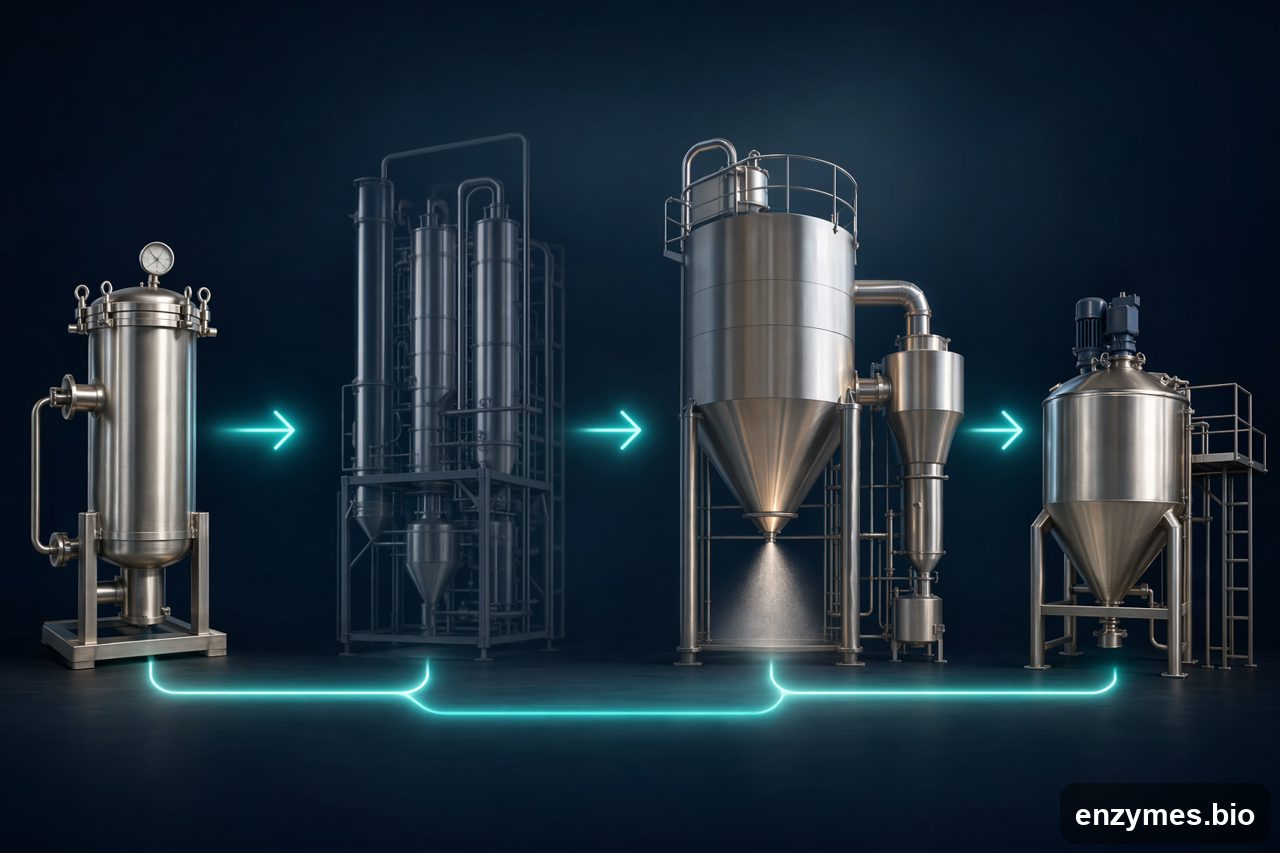
The reaction profile must work with your chosen stabilization path: heat treatment, enzyme inactivation, membrane steps, concentration, drying, or blending. A promising reaction is not commercially useful if it creates fouling, color development, stickiness, or specification drift downstream.
5. Documentation and lot reliability
Ingredient buyers need dependable supply, consistent documentation, and specification support that fits quality, regulatory, and customer approval workflows. Lactase Enzyme Solutions provides B2B specification support without exposing trader-confidential assay procedures.
Selection criteria for a GOS-focused lactase
When evaluating Lactase (β-Galactosidase) for GOS ingredient production, ask for evidence around the factors that actually shape operations:
- Suitability for concentrated lactose or lactose-rich dairy streams
- Performance under controlled processing windows
- Consistent carbohydrate profile development across lots
- Low contribution to off-notes or unwanted color formation
- Compatibility with common dairy ingredient unit operations
- Clear allergen, food-grade, and documentation package options
- Scalable supply planning for pilot, validation, and commercial phases
Lactase Enzyme Solutions does not position lactase as a universal GOS shortcut. We position it as a controllable catalytic input for manufacturers who already understand that prebiotic ingredient development is process-specific.
Process questions we help clarify
Before recommending a commercial path, we typically review:
- What lactose source will be used?
- Is the objective syrup, powder, blend, or intermediate?
- What residual lactose level is commercially acceptable?
- How tightly must mono- and disaccharides be controlled?
- Will the enzyme be inactivated before concentration or drying?
- What claims, labeling region, and customer requirements are expected?
- Is the priority yield, sensory profile, throughput, or cost-in-use?
These questions prevent the common mistake of buying enzyme on headline strength alone. In GOS workflows, process fit is the specification.
Commercial advantages
A well-matched lactase program can help ingredient manufacturers:
- Shorten pilot iteration by starting with a relevant enzyme profile
- Reduce unnecessary over-processing
- Improve carbohydrate profile repeatability
- Support cleaner ingredient positioning versus synthetic alternatives
- Build quote-ready specifications for customer approval
- Control cost-in-use through better reaction planning
- Move from bench feasibility to production discussions with fewer unknowns
Request pricing and technical fit review
We supply lactase for GOS and prebiotic ingredient work; ask whether a grade suits your route before you order.
Our stock grade is acid lactase powder in 1 kg packs, in three activity grades. For neutral liquid grades, ask us.
Send us:
- the feedstock and its solids level
- the target ingredient (syrup, powder, blend)
- the quantity per order or per month
- the delivery country
Prices, quantities and lead times are quoted per order.