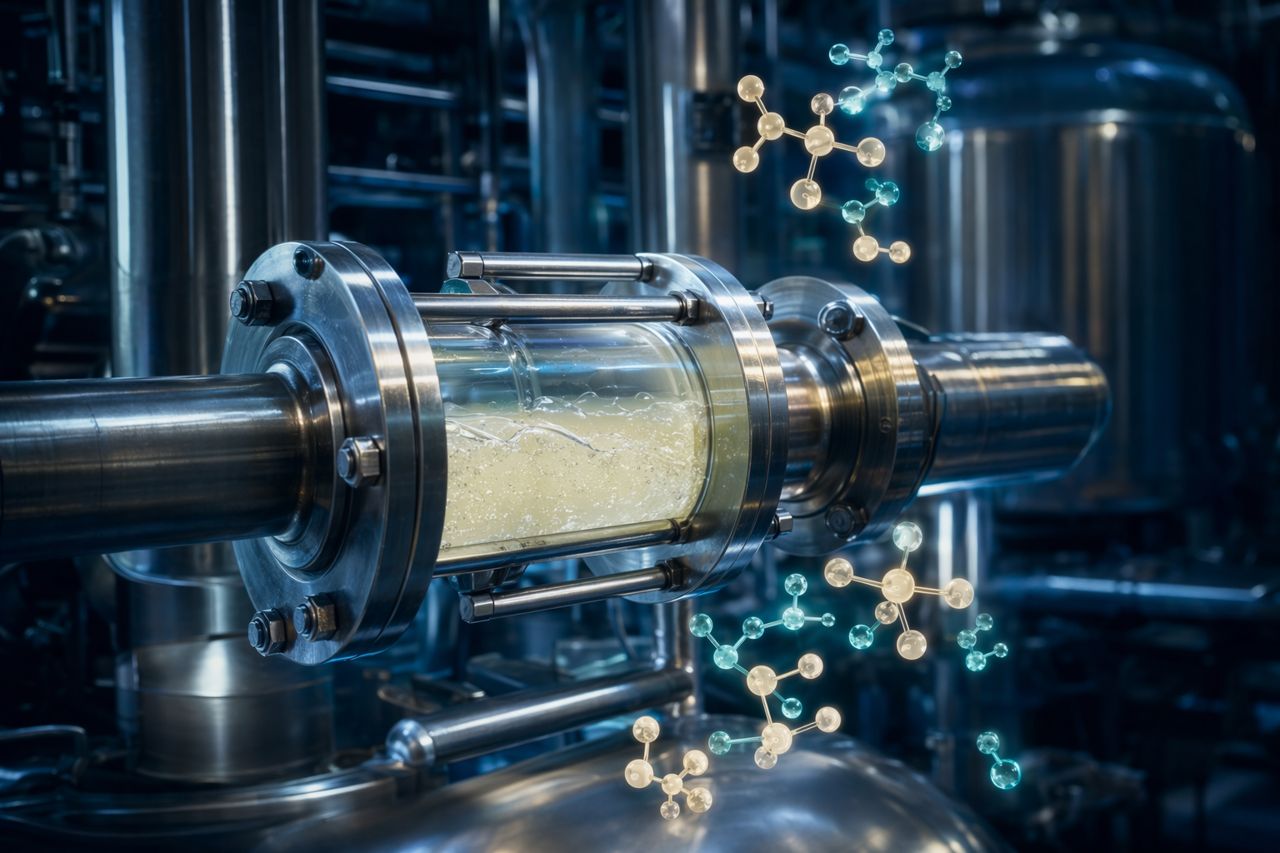
Whey and whey permeate carry a lot of lactose, and lactose limits what you can sell them as. We supply lactase in bulk to cheese plants, whey processors, permeate driers and the ingredient traders that buy from them, so that lactose becomes glucose and galactose: easier to formulate, easier to ferment and easier to sell.
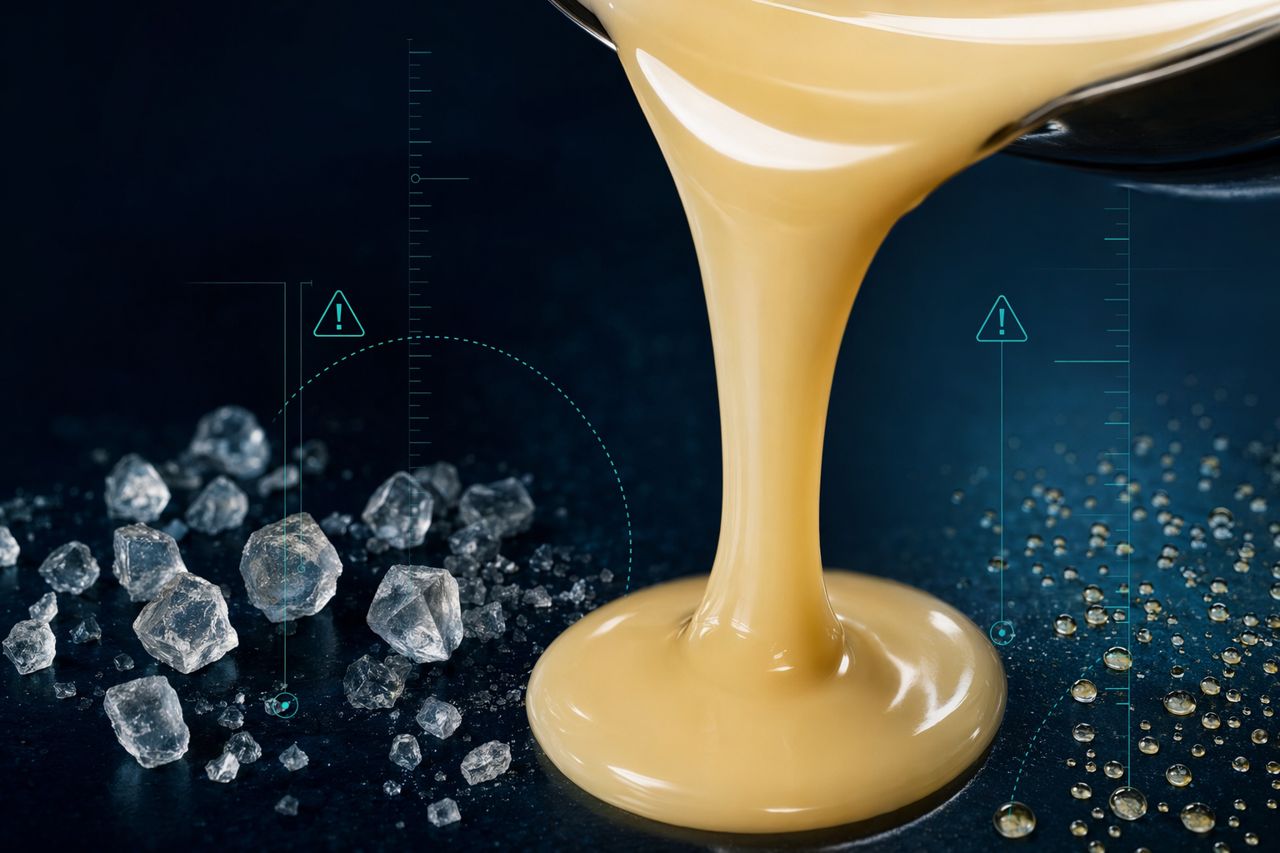
Lactase is not just a sweetness tool. In whey systems, controlled lactose hydrolysis can reduce crystallization pressure, improve solubility, support syrup and powder quality, and open higher-value routes for permeate that might otherwise be constrained by lactose behavior.
Wholesale and bulk supply for whey processors and resellers. Request a quote with the stream, the quantity and the delivery country. Prices and lead times are quoted per order.
Turn lactose load into processing flexibility
Whey streams vary by protein level, mineral balance, solids profile, pH, heat history, and intended downstream use. Lactase Enzyme Solutions supports lactase selection and implementation around the real process conditions that define your operation.
Key outcomes include:
- Higher perceived sweetness without adding sucrose or high-intensity sweeteners
- Improved solubility by reducing intact lactose concentration
- Lower crystallization risk in concentrated syrups, powders, and inclusions
- Improved fermentation potential for cultures that prefer glucose and galactose
- Better ingredient positioning for beverages, nutritional systems, bakery, confectionery, and fermentation feedstocks
- Cleaner-label formulation support through enzymatic conversion rather than additive-heavy correction
Where lactase fits in whey processing
Lactase can be evaluated across several whey-derived streams:
Sweet whey
For cheese whey processors, lactase can help convert lactose before concentration, blending, fermentation, or ingredient standardization. This is useful when the target product needs improved sweetness, better solubility, or reduced lactose crystallization during storage.
Acid whey
Acid whey presents a different mineral and pH environment. Enzyme selection should be matched to the stream profile, residence time, and final application. Lactase Enzyme Solutions helps assess whether neutral or acid-compatible processing logic is appropriate for the product route.
Whey permeate
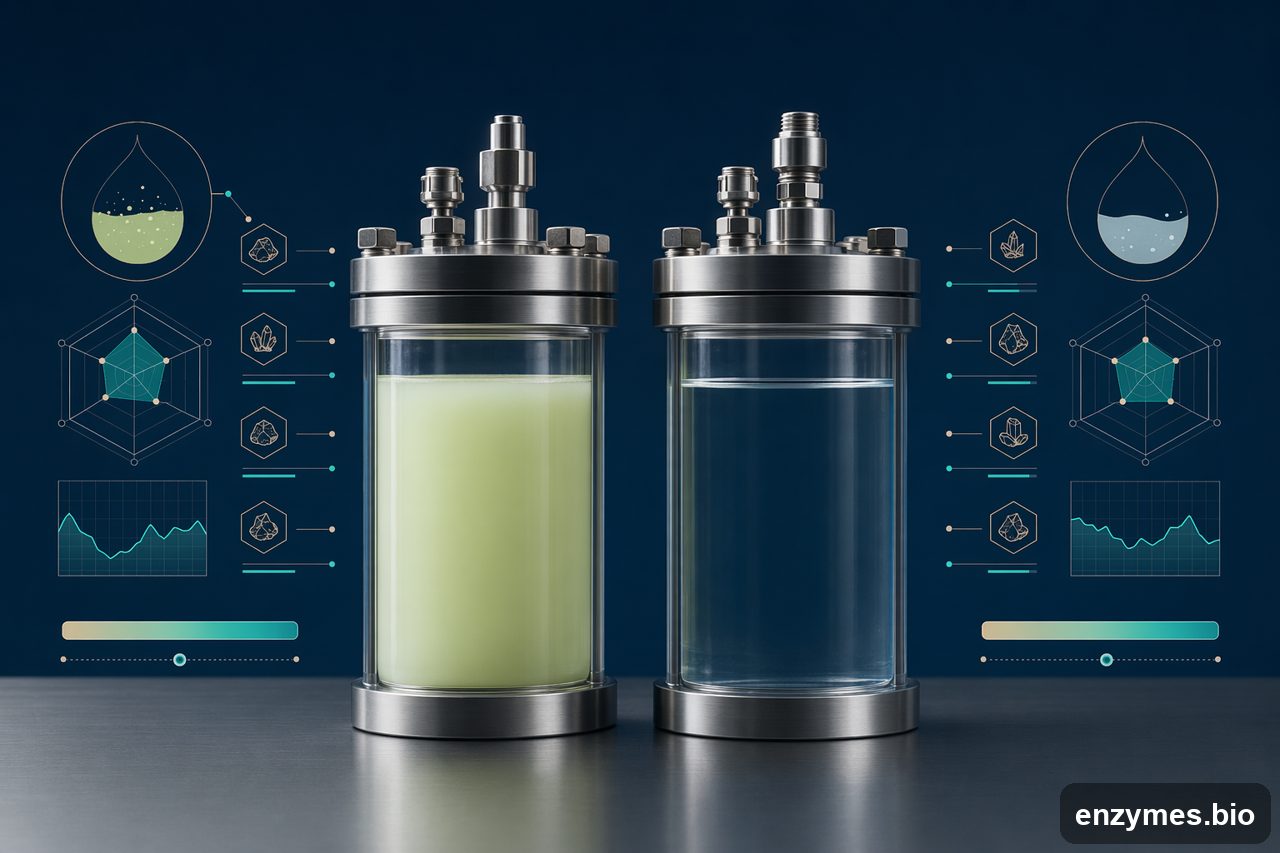
Permeate is often lactose-rich and underutilized. Lactase hydrolysis can increase its value as a sweet dairy-based ingredient, fermentation substrate, syrup base, or powder component. The goal is to convert a challenging lactose stream into a more flexible carbohydrate platform.
Concentrated permeate and whey syrups
As solids increase, lactose behavior becomes more important. Hydrolysis can reduce crystallization tendency, improve handling, and support more stable concentrated intermediates. Process timing matters: pre-concentration, mid-process, or post-concentration dosing can each produce different operational results.
Commercial benefits for ingredient manufacturers
1. Sweetness control without new sweetener declarations
Hydrolyzed lactose delivers a sweeter taste profile because glucose and galactose are perceived as sweeter than lactose. This can help improve the flavor economics of dairy-based beverage bases, powders, fillings, and nutritional systems.
2. Better powder and syrup behavior
Lactose crystallization can create texture, caking, sediment, and inconsistency. Controlled hydrolysis can reduce the intact lactose fraction and improve the handling behavior of whey-derived ingredients, especially where concentration and drying are part of the process.
3. More useful fermentation feedstocks
Many fermentation systems utilize glucose and galactose more readily than lactose. Lactase-treated whey permeate can support improved substrate accessibility for selected cultures, bioprocesses, and downstream conversion strategies.
4. Higher-value permeate positioning
Instead of selling permeate primarily on bulk carbohydrate value, processors can develop differentiated ingredients with defined sweetness, solubility, and processing behavior. That makes specification discipline and reproducible hydrolysis targets commercially important.
Process factors to define before scale-up
A successful lactase program starts with the stream and the target, not with a generic enzyme addition.
Important evaluation points:
- Starting lactose concentration and total solids
- Whey type: sweet, acid, deproteinized, or permeate
- pH and mineral load
- Heat history and intended enzyme contact window
- Target hydrolysis level and sweetness profile
- Concentration, evaporation, drying, or fermentation sequence
- Microbiological control strategy
- Final product requirements for labeling, allergens, and documentation
Send these process facts with your inquiry; they decide which grade fits.
Choosing a lactase grade for whey and permeate
For whey applications, the best lactase grade depends on compatibility with the stream and the manufacturing route.
Typical selection criteria include:
- Operating pH fit for sweet whey, acid whey, or adjusted permeate
- Thermal compatibility with the plant’s hold and treatment sequence
- Hydrolysis target for sweetness, solubility, or fermentation performance
- Format preference for liquid handling, dosing accuracy, and plant integration
- Pack and supply: acid lactase powder in 1 kg packs from stock; for neutral liquid grades, ask us
- Regulatory and labeling alignment for the intended market and product category
Application map
| Whey stream | Lactase objective | Commercial result |
|---|---|---|
| Sweet whey | Reduce lactose and increase sweetness | Better ingredient value for dairy drinks, blends, and powders |
| Acid whey | Improve carbohydrate usability | More flexible route for challenging side streams |
| Whey permeate | Convert lactose into glucose and galactose | Higher-value syrup, powder, or fermentation substrate |
| Concentrated permeate | Reduce lactose crystallization pressure | Improved handling, storage, and downstream consistency |
| Fermentation feedstock | Improve sugar accessibility | Better substrate design for selected cultures and bioprocesses |
Buying lactase for whey and permeate
Sweet whey and permeate sit close to neutral; acid whey does not. The pH of your stream at the point of dosing, the temperature you hold it at and whether it is concentrated or dried afterwards decide the grade. Our stock grade is acid lactase powder in 1 kg packs, in three activity grades. For neutral liquid grades, ask us.
Whey plants usually buy for recurring production, so tell us your monthly volume as well as the first order. Prices, quantities and lead times are quoted per order.
What to expect in a Lactase Enzyme Solutions trial
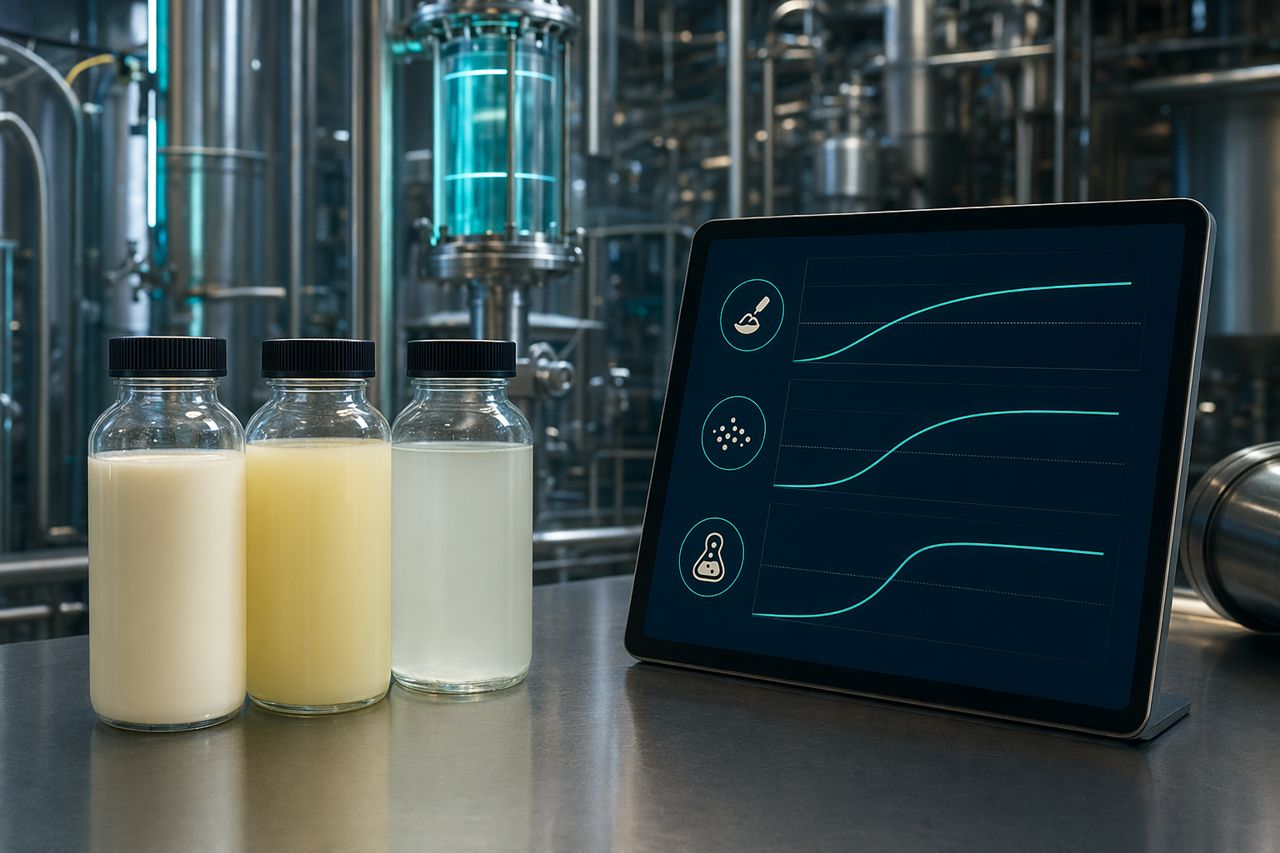
A practical whey or permeate trial usually compares untreated control material with one or more hydrolysis conditions. The review should focus on measurable product outcomes: sweetness, residual lactose target, viscosity behavior, crystallization tendency, fermentation response, sensory profile, and stability after concentration or drying.
Lactase Enzyme Solutions helps define the trial logic so internal teams can move from bench screening to pilot validation and commercial adoption with fewer unknowns.
Request pricing or technical fit review
We supply lactase for sweet whey, acid whey, permeate and permeate concentrates.
Our stock grade is acid lactase powder in 1 kg packs, in three activity grades. For neutral liquid grades, ask us.
Send us:
- the stream and its lactose level, if you know it
- pH and temperature at the point of dosing
- what the treated stream becomes (syrup, powder, feedstock)
- the quantity per order or per month
- the delivery country
Prices, quantities and lead times are quoted per order.